






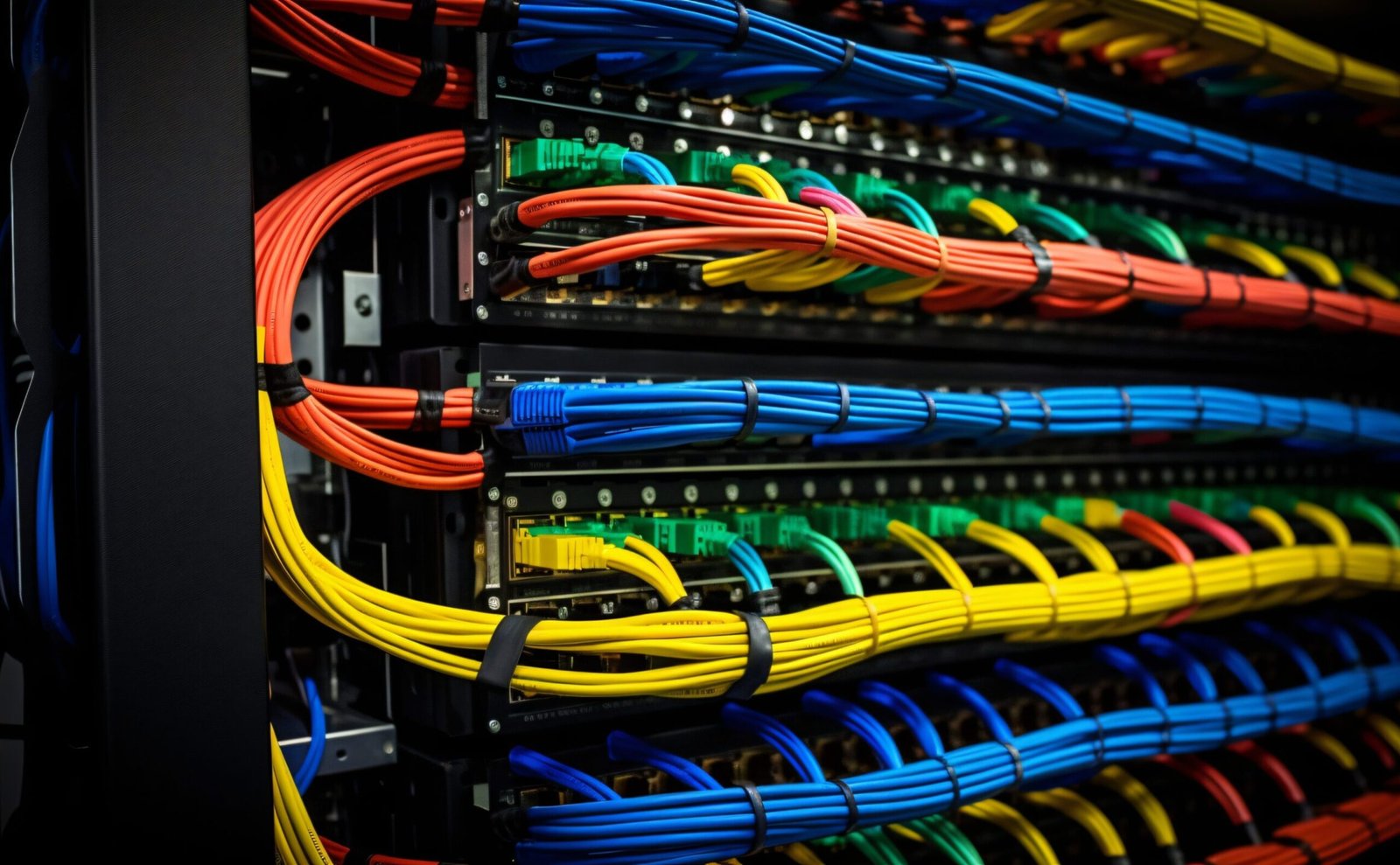
In today’s fast-paced digital world, every home and business relies heavily on technology. From internet usage and smart systems to communication tools and security equipment, everything depends on a stable and well-organized network. This is where structured cabling becomes the backbone of modern infrastructure.
Structured cabling is not just about running cables—it’s a complete system designed to organize, manage, and future-proof your entire network setup.
1. What Exactly Is Structured Cabling?
Structured cabling is a standardized method of installing network cables in a clean, organized, and modular way. Instead of random messy wiring, structured cabling creates:
- Clear pathways
- Centralized patch panels
- Organized cable management
- Easy-to-access routes
This ensures a professional, efficient, and scalable network.
2. A Cleaner, More Professional Network Setup
Unstructured wiring leads to:
- Tangled cables
- Hard-to-find connections
- Slow troubleshooting
- Frequent downtime
In contrast, structured cabling gives your system a clean and organized layout. This not only looks better, but also saves time whenever maintenance or upgrades are needed.
3. Supports All Types of Devices
A properly implemented structured cabling system can support:
- CCTV & IP cameras
- Access points (Wi-Fi routers)
- Computers & servers
- Printers & office equipment
- Smart home devices
- Intercoms and video doorbells
- Audio/video systems
- POS systems
- Smart locks
- IoT devices
Everything runs smoother because the network has a solid foundation.
4. Faster Data Speeds and Reliable Performance
Structured cabling uses high-quality standards like:
- Cat6
- Cat6A
- Cat7
- Fiber optic
These cables support high-bandwidth data transfer, ensuring fast and stable internet. Whether you are streaming 4K content, running servers, or managing office networks, a structured system keeps everything consistent and reliable.
5. Easy Troubleshooting and Maintenance
When something goes wrong in a messy, unorganized network, finding the issue becomes difficult and time-consuming. Structured cabling solves this through:
- Labeled cables
- Route planning
- Patch panels
- Segmented connections
This makes diagnosing and fixing issues significantly faster, reducing downtime and boosting productivity.
6. Future-Proofing for Technology Upgrades
Technology is always evolving. What seems fast today may become outdated in a few years. Structured cabling ensures your system can easily adapt to:
- Higher internet speeds
- New equipment
- Extra devices
- Expansion of workspace
- Smart home upgrades
Because the foundation is already strong, upgrades become hassle-free.
7. Reduced Costs Over Time
While structured cabling may require proper planning initially, it saves a lot of money in the long run by:
- Reducing network failures
- Cutting down repair time
- Preventing equipment damage
- Eliminating the need for frequent rewiring
It’s a one-time investment with long-term benefits.
8. Enhanced Safety and Cable Management
Poor cabling can cause:
- Overheating
- Signal interference
- Tripping hazards
- Damage to expensive devices
Structured cabling protects cables and ensures everything is safely routed through conduits, trays, or trunks.
9. Ideal for Homes, Offices, and Commercial Projects
Whether it’s:
- A home with smart devices
- An office with multiple employees
- A retail shop with cameras and POS
- A warehouse with long-distance Wi-Fi
- A restaurant needing a sound + Wi-Fi system
Structured cabling ensures everything runs efficiently and smoothly.
Conclusion
Structured cabling is more than just wiring—it’s a foundation for stability, speed, and long-term reliability. In a world where almost every device depends on a strong network, a clean and well-planned cabling system is an investment that pays off every single day.